A Strategic Rollout for CCR Success in Adams 12 Five Star Schools
A Strategic Rollout for CCR Success in Adams 12 Five Star Schools
A Strategic Rollout for CCR Success in Adams 12 Five Star Schools
A Strategic Rollout for CCR Success in Adams 12 Five Star Schools
A Strategic Rollout for CCR Success in Adams 12 Five Star Schools
A Strategic Rollout for CCR Success in Adams 12 Five Star Schools
A Strategic Rollout for CCR Success in Adams 12 Five Star Schools
Don't miss our breakout sessions!
Book time with our team on-site!
Our team is excited to meet you. Book a time that works best.

Building a Comprehensive College and Career Readiness System in Colorado
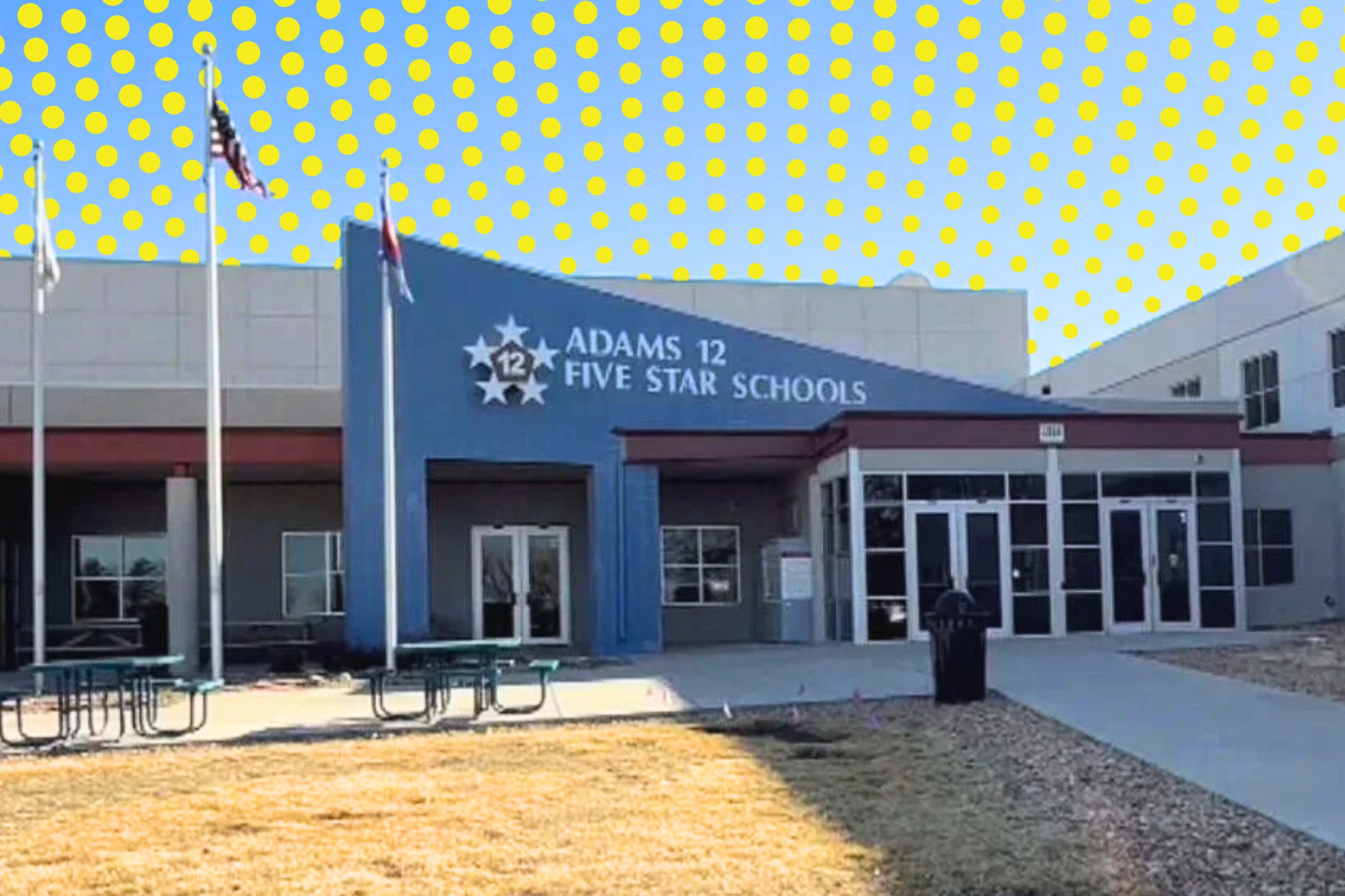
Adams 12 Five Star Schools is located in the northern tier of the Denver metropolitan area and serves more than 36,000 students. As Colorado’s sixth-largest school district, its boundaries span both Adams and Broomfield counties, encompassing a diversity of neighborhoods and communities.
The district describes its mission as being “a caring, inclusive, and engaging district which exists so the students it serves can attain the knowledge and skills necessary to pursue the future of their choosing and are equipped to navigate and thrive in our rapidly changing world.” This commitment to developing adaptable, future-ready students is at the core of the district’s educational philosophy.
Leading the district’s college and career readiness (CCR) efforts are Kristi Weaver, Director of Career and Technical Education (CTE) and Postsecondary Readiness, and Allison Lusero Hoffman, Director of Counseling. Together, they partner to ensure that every student–across grade levels and pathways–has access to meaningful, personalized opportunities that connect academic learning with real-world application. Through intentional collaboration between the CTE and counseling departments, Adams 12 is building a cohesive readiness framework that supports both college-bound and career-focused students alike. This shared commitment to readiness naturally led the district to evaluate whether its existing tools and systems were fully supporting that vision.
Looking for a Comprehensive System to Support Career AND College Readiness
For years, Adams 12 Five Star Schools had relied on paper-based processes to coordinate and track work-based learning (WBL) experiences across its CTE pathways. As the district’s CTE programs expanded and the number of student placements grew, Weaver recognized the need for a more efficient, centralized system. She explained that the district sought a platform that “could help automate and better document work-based learning experiences across the district.”
At the same time, Lusero Hoffman was assessing the limitations of the district’s previous CCR platform. She shared that the system was not reaching the broader student population. “We realized that most people weren’t using it–outside of counselors and seniors, almost no one was logging in” Lusero Hoffman noted. The lack of an engaging user experience had become a clear barrier to participation: “No one would choose to get into the product on their own.”
These parallel challenges prompted the district to reexamine its overall readiness strategy. The team sought a platform that could serve as a single, integrated solution for both college and career readiness. They wanted a system that was flexible, dynamic, and genuinely engaging for students. Lusero Hoffman shared that they also saw this as a pivotal moment to reframe their whole approach to college and career readiness. They wanted tools that could better support counselor-student conversations and reignite interest in the process–and insightfully pointed out that a new platform can help drive that shift.
In evaluating options, the Adams 12 team focused on finding a platform that could deliver the best of all worlds: comprehensive tools for course planning, college and career exploration and applications, and robust functionality to manage work-based learning. They were prepared to adopt two separate systems if needed, but were thrilled to discover a comprehensive solution like SchooLinks that offered an opportunity to align their goals, streamline processes, and elevate the student experience districtwide.
A Measured Implementation for a Strong Foundation
Adams 12 Five Star Schools made the decision to dedicate an entire year to implementing SchooLinks, while maintaining its previous college and career readiness (CCR) platform. This measured approach reflected the district’s commitment to ensuring a smooth transition and avoiding any disruption to student or staff access to key features.
Initially, the team considered piloting the platform in a few “innovator schools,” but determined that managing two systems simultaneously would be too complex. Although there were financial concerns about paying for both platforms during the transition, district leaders recognized that abruptly ending one system and launching another would risk user frustration and confusion. They determined that a phased, year-long rollout would allow time to test components, refine processes, and prepare schools for full implementation.
Several factors shaped this decision, including the timing of the district’s RFI process, the desire to implement with fidelity, and the limited bandwidth of the small postsecondary readiness district team. Weaver and Lusero Hoffman recognized that launching midyear would have been chaotic, given the number of schools, staff, and programs involved in the transition. Allowing eight to nine months for preparation and training proved invaluable, providing the time needed to learn the system thoroughly and plan strategically.
From the start, the team prioritized intentional communication; they anticipated natural points of friction as stakeholders adapted to new workflows and were deliberate about how and when information was shared. The communication plan was structured to introduce information gradually, ensuring that staff knew what to expect and felt supported throughout the change process. This approach reflected the district’s guiding principle for implementation: once the commitment was made, it would be done fully and thoughtfully.
Collaboration and Thoughtful Planning
The implementation required extensive collaboration across departments and staff. At the district level, the central team supported two key, unique groups: counseling and support staff including registrars involved in course enrollment and CTE teachers who would, for the first time, track WBL experiences within an online platform.
Historically, WBL data collection had been manual and cumbersome, requiring teachers to gather and reconcile documentation for audits and state reporting. The new system provided a single, streamlined location for tracking student participation and outcomes while also enhancing student engagement through interactive career exploration tools. The district’s vision was to integrate SchooLinks not just as a compliance system, but as a meaningful instructional resource that could help teachers connect career exploration activities to lesson planning and student reflection.
Staff reception to the change was largely positive, with most educators expressing enthusiasm for a more modern, comprehensive platform. The team recognized that some frustration was inevitable, particularly in areas where SchooLinks introduced new workflows, such as course planning and selection. The district’s prior platform had only supported one-year course plans, leaving schools to rely on spreadsheets for four-year sequencing. SchooLinks replaced those static tools with an interactive planner that allows students to visualize and manage their full academic path through graduation.
Technical support from the district’s IT department was instrumental in ensuring a smooth transition. The implementation was marked by strong organization, clear communication, and a deep understanding of both technical requirements and user needs. From a technical standpoint, the district credited much of the project’s success to the close collaboration between the SchooLinks team and district IT staff throughout each phase of setup and integration.
Sarah Finizio, IT Project Manager for the district, led the technical components of the rollout and praised the process, describing the SchooLinks team’s organization and expertise as “really exceptional.” She added that “integration and technical configuration… was done really well” and emphasized that the SchooLinks support team brought an incredible “depth of knowledge of the platform…not just from their roles, but from the user perspective.”
Weaver echoed that sentiment, noting that the responsiveness and partnership from the SchooLinks team exceeded expectations. “I have been so incredibly impressed with the responsiveness of every person,” she said. “I like the fact that they don’t lead [with] a no. They lead with ‘Let’s figure out how we can do that.’”
Lessons Learned and Reflections for Other Districts
Looking back on the implementation, the Adams 12 team agreed that one of the most important factors for success was allowing adequate time to plan, prepare, and phase in the new system. Lusero Hoffman emphasized the importance of “having a long enough runway” and being comfortable implementing in stages to ensure that staff feel supported and confident throughout the process. The team also highlighted the critical role of technical collaboration. Finizio explained that “having dedicated technical resources on both sides is really helpful.” She noted that the district benefited from having an internal team focused on the rollout, as well as direct access to SchooLinks’ technical experts.
Throughout the transition, the district found SchooLinks to be a highly responsive and engaged partner. Weaver shared that “they are responsive to what our needs are,” and appreciated the ongoing communication that went beyond standard product updates. Rather than waiting for annual releases, the district receives newsletters and feature updates that help them plan ahead and make informed decisions. Weaver also valued SchooLinks’ broad national perspective, noting that working with a platform serving multiple states provides valuable opportunities to exchange ideas and learn from best practices across the country.
Reflecting on the journey, the Adams 12 team underscored that successful implementation is as much about partnership and communication as it is about technology. Their advice to other districts considering a similar transition is clear: take the time to do it well, ensure strong alignment between technical and programmatic teams, and choose a platform that not only meets current needs but also grows alongside your district’s vision for college and career readiness.
Related Posts
See All
How Paradise Valley Unified School District Customized CCR in Arizona with SchooLinks
Supporting College & Career Readiness at Rolla Public Schools in Missouri
Helping Students Build Postsecondary Plans in Plano ISD, Texas

Get started with SchooLinks today.
