Scaling Work-Based Learning with SchooLinks in District 155
Scaling Work-Based Learning with SchooLinks in District 155
Scaling Work-Based Learning with SchooLinks in District 155
Scaling Work-Based Learning with SchooLinks in District 155
Scaling Work-Based Learning with SchooLinks in District 155
Scaling Work-Based Learning with SchooLinks in District 155
Scaling Work-Based Learning with SchooLinks in District 155
Don't miss our breakout sessions!
Book time with our team on-site!
Our team is excited to meet you. Book a time that works best.

From Career Exploration to Real-World Experiences for Students at Scale in Illinois
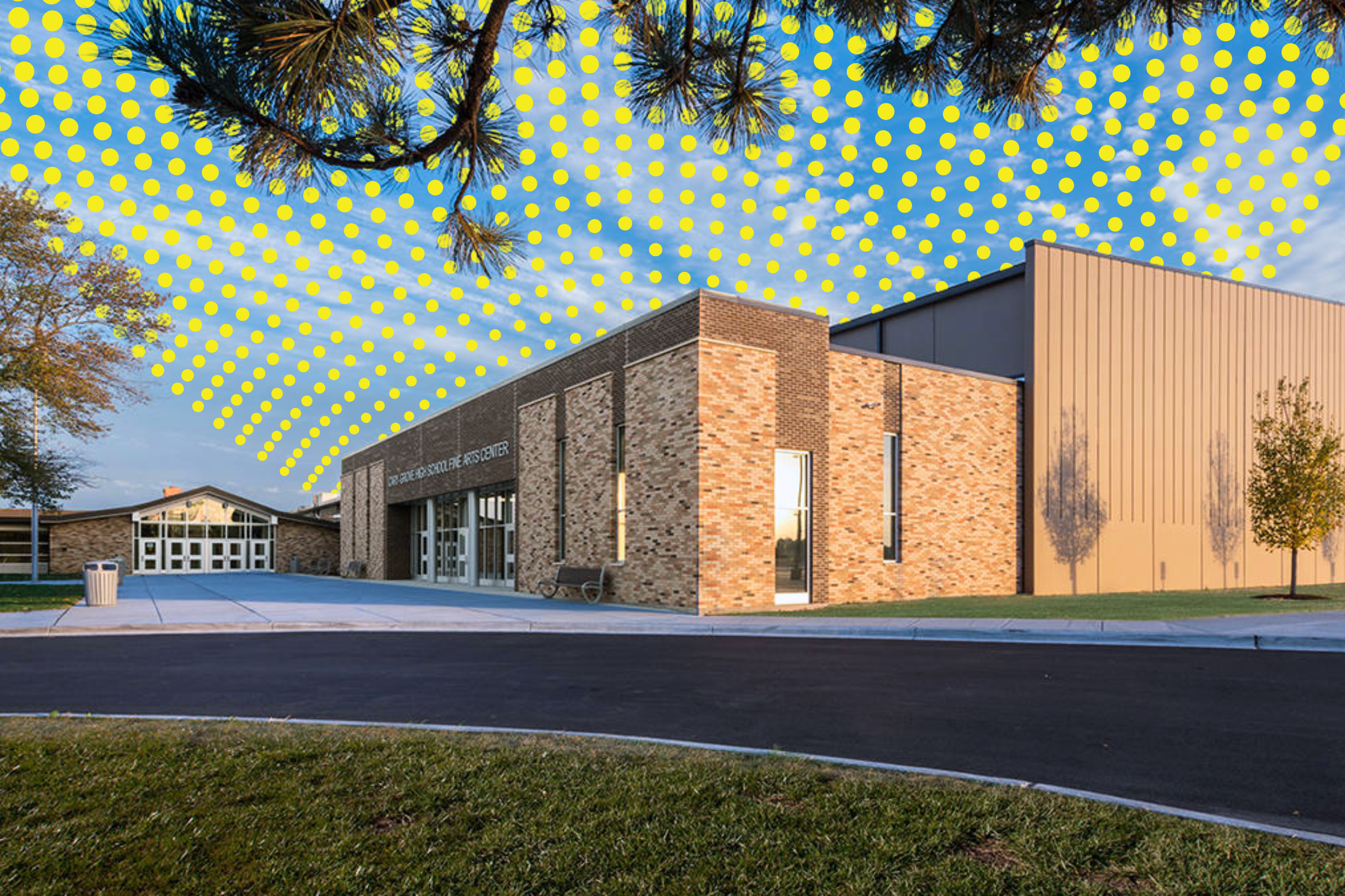
Community High School District 155 is located approximately 45 miles northwest of Chicago, IL. The district serves more than 5,400 students across four comprehensive high schools and one alternative campus in the Crystal Lake and Cary-Grove region. District 155 leaders have made a deliberate and strategic choice to prioritize career readiness as a core pillar of student success, ensuring graduates leave academically prepared, and equipped with direction, experience, and purpose.
When District 155 first partnered with SchooLinks in 2022, leaders were focused on expanding career exploration, increasing equitable access to real-world learning, and building a more cohesive system to connect students, families, and industry partners. At the time, access to internships and hands-on career experiences varied significantly by school, limiting opportunities for many students. District administrators recognized that scaling high-quality, work-based learning (WBL) would require both deeper community partnerships and stronger infrastructure to manage coordination, communication, and logistics at scale.
Since then, District 155 has moved from laying a foundation for career readiness to significantly expanding students’ access to authentic, real-world career experiences. Under the leadership of Justin DeBolt, Director of Community Partnerships and District Safety, the district has broadened how students explore careers, strengthened partnerships with local employers and community organizations, and built innovative systems that make experiential learning more accessible and impactful across all five campuses.
Finding Innovative Ways to Scale Internship Experiences
The most significant area of growth in District 155’s career experience strategy has been the rapid expansion of its micro-internship program. What began just four years ago with zero participating students has scaled to more than 300 students annually, with approximately 25 percent of graduating seniors now completing a micro-internship before graduation. This growth reflects a broader district commitment to hands-on career exploration and readiness, giving students meaningful opportunities to “try on” a career before they graduate and validate their postsecondary plans through real-world experience.
This shift was driven by both student voice and data. DeBolt explained that, like many districts, District 155 previously offered a traditional, semester-long internship course. This was an experience students consistently described as “the best thing [they’ve] ever done,” yet one that failed to attract broad participation. Rather than expanding a model that was not reaching enough students, district leaders gathered feedback from students, educators, and community partners to understand barriers to enrollment and engagement. In response, they redesigned their approach around micro-internships: a more flexible, scalable way to place students in the community for short-term, high-impact career experiences.
Internship experiences range from 10 to 100 hours, depending on what best serves both the student and the employer. As DeBolt explained, this work is about opening doors so students can explore careers beyond classroom walls, recognizing that schools cannot replicate real-world experiences on their own.
SchooLinks has been a critical component of this transformation. As the micro-internship program expanded, District 155 needed a system capable of managing the complex logistics behind the scenes from digitizing required forms to tracking hours, documenting progress, and coordinating approvals with industry partners. Through SchooLinks’ program management functionality, industry partners can sign site agreements electronically, students can log work hours directly in the platform, and teachers can monitor each student’s progress in real time. SchooLinks has provided the infrastructure that has allowed this program to expand WBL for students.
Building a Robust Network of Industry Partnerships
In order for District 155 to expand student access to real-world career experiences, DeBolt recognized that building a strong and sustainable network of industry partners was essential. Rather than starting with internships alone, the district focused first on growing relationships with employers, and SchooLinks became a central tool for recruiting, onboarding, managing, and deepening those partnerships over time.
Through SchooLinks, District 155 invites industry partners into a shared platform, where employers can build showcase pages that introduce their organizations to students and families and post job or internship opportunities. This approach lowers the barrier to entry, allowing partners to engage in ways that match their capacity–starting with less-intensive involvement such as attending events, speaking to students, or mentoring, and often growing into hosting interns, hiring students, and investing resources back into the community.
The district has used SchooLinks’ Events feature to support both career exploration and partner relationship-building. District 155 hosts numerous career-focused events each year, and SchooLinks tracks which students attend, which employers participate, and how often partners engage. When an industry partner registers for an event, their information is automatically saved to the district’s industry partner database, eliminating duplicate data entry and preserving a record of the most recent touchpoint. This functionality allows staff to follow up more strategically, deepen relationships over time, and serve as more intentional stewards of employer partnerships. As DeBolt explained, the SchooLinks platform enables District 155 to maintain institutional knowledge about employer relationships, track engagement history, and coordinate outreach more efficiently, ensuring partnerships continue to grow.
District 155 has also amplified its impact through regional collaboration, working closely with surrounding high school districts to expand the pool of industry partners. Seeing the success of District 155’s career experience model, every high school in the county is now utilizing SchooLinks, strengthening collective outreach to employers. This shared ecosystem allows districts to show new partners that SchooLinks is not just another job board, but a statewide connector between Illinois employers and high school talent. When employers see participation from large districts, including Chicago Public Schools, it builds credibility and increases enthusiasm to engage.
Using Data to Drive Decisions and Strengthen Partnerships
As District 155’s career experience program has grown, data from SchooLinks has become a central driver of both strategy and day-to-day decision-making. DeBolt pointed to the platform’s analytics and student-level insights as essential to understanding what students want, how their interests evolve over time, and which experiences will be most meaningful at each stage of high school. As DeBolt explained, “That data really drives a lot of the decisions we make. We’re not guessing at where students want to go. We’re listening to them.”
Beginning in freshman year, students complete career assessments and articulate areas of interest within SchooLinks, creating a longitudinal record of evolving goals and exploration. The district tracks participation in guest speaker sessions, field trips, job shadows, and career-focused events within the platform, allowing educators to build a comprehensive picture of each student’s journey from ninth grade through graduation. By the time juniors and seniors apply for micro-internships–the culminating phase of the district’s career experience continuum–educators can see a clear, data-backed narrative of how students have prepared, what pathways they have explored, and why a particular placement makes sense.
This system transforms internship placement from guesswork into a strategic, evidence-based process. When matching students with industry partners, District 155 can share concrete evidence of a student’s interests, preparation, and commitment, increasing partner confidence and improving the likelihood of a meaningful, high-impact experience. As DeBolt noted, the district can demonstrate that a student is not only interested in a field like healthcare, for example, but has spent years engaging in related coursework, events, and career exploration, making it easier for employers to see the value and fit.
Centralized Coordination that Supports Growth
As Community High School District 155 scaled its micro-internship program, coordination across multiple high schools, industry partners, counselors, families, and students quickly became a logistical challenge. DeBolt and his team recognized that decentralized outreach–where four different high schools contacted employers independently–would limit growth and create confusion. In response, the district centralized industry partner outreach and internship coordination through SchooLinks, establishing a single point of contact and a shared system for communication, tracking, and documentation.
SchooLinks now serves as the hub for collaboration across every stakeholder involved in a micro-internship. Within the platform, placement coordinators can update counselors on whether students have been placed, guardians and students can track progress through each step of the process, and staff can record notes and communicate status updates in real time. Students and families can see when placement searches are underway, when intake interviews are complete, and when paperwork has been submitted, eliminating uncertainty and reducing the need to track down a staff member for updates.
Once a student begins an internship, SchooLinks continues to anchor the experience. Students complete required paperwork, log hours, and submit reflections directly in the platform, while teachers and coordinators monitor progress from a shared dashboard. DeBolt described that SchooLinks keeps teachers, placement coordinators, counselors, students, and guardians “all on the same page,” ensuring that everyone is working from a single source of information rather than relying on fragmented emails or disconnected systems.
This centralized coordination structure has been critical to scale. DeBolt shared that approximately 60 of the district’s 300 annual micro-internships take place during a condensed five-week summer window, when placements, approvals, and documentation must move quickly. Previously, waiting on paper forms or emailed attachments could stall the entire process. With SchooLinks, the process keeps moving, allowing the district to place hundreds of students each year without bottlenecks or breakdowns.
Streamlined, Digital Systems Expedite Processes
A major driver of this efficiency has been District 155’s shift from paper-based processes to fully digitized forms within SchooLinks. Internship placements require multiple agreements, waivers, and approvals before students can enter the workplace. When the district transitioned these forms into SchooLinks, leaders initially wondered whether students, families, and industry partners would adopt the digital approach. Instead, adoption exceeded expectations: 60-70 percent of partners now complete forms digitally, cutting paperwork volume by roughly 70 percent and significantly accelerating turnaround times.
This transition has improved both speed and reliability. District leaders report higher rates of completed forms, faster returns, and fewer delays, which directly supports timely student placements in the community. Industry partners, students, and families have responded positively, noting that digital forms are easier to complete and align better with how they interact with information in most other aspects of their lives. DeBolt explained that paper forms feel increasingly out of step with modern processes and SchooLinks meets users where they are.
Beyond efficiency, SchooLinks’ student-centered design has reinforced engagement. Because the platform is already embedded in students’ career exploration and planning, they naturally look to SchooLinks first for required forms, updates, and next steps. This consistent engagement strengthens accountability, reduces confusion, and makes the entire internship process more transparent, accessible, and student-friendly. SchooLinks has become the infrastructure that allows District 155’s micro-internship program to operate at scale, keeping processes moving, stakeholders aligned, and students on track to gain meaningful, real-world career experience.
Extending Career Pathways Through an Alumni Network
During this time, District 155 has also begun to leverage SchooLinks to stay connected with alumni and strengthen long-term workforce pipelines. Graduating seniors are encouraged to link personal email accounts so they can retain access to transcripts, resumes, portfolios, and other career assets beyond high school. Where alumni once contacted the district to request old resumes or records, they can now maintain continuity, stay engaged with district opportunities, and continue viewing job postings through SchooLinks.
This alumni connection has created new value for both students and industry partners. Employers are able to recruit not only current students, but also district alumni, truly establishing SchooLinks as a talent pipeline resource that extends beyond graduation. The alumni network has also opened the door to meaningful mentorship and WBL opportunities. District 155 has seen former students at major organizations give back through remote, project-based internships and career engagement experiences.
One noteworthy example includes a District 155 alumnus working at Pixar Studios in California, who connected with students via Zoom to discuss careers in art and animation, then mentored a student through a hands-on project-based internship. As DeBolt noted, this opportunity existed because the district stayed connected through the SchooLinks network. Beyond creating opportunities, alumni engagement helps make career pathways tangible for current students. Seeing graduates move from Crystal Lake, Illinois to organizations like Pixar demonstrates what is possible and encourages students to dream bigger, explore more ambitious pathways, and envision meaningful postsecondary futures.
Celebrating Partnerships and Sustaining Industry Engagement
Each year, District 155 makes an effort to celebrate the employers and community partners who make its career experience programs possible. Through an annual end-of-year industry breakfast, the district brings together approximately 300 business and community partners identified through its SchooLinks industry partner database. The event has become both a celebration of impact and a strategic opportunity to deepen relationships, expand collaboration, and invite new partners into the district’s career ecosystem. This year, the district also invited surrounding high school districts and select middle schools, creating space for regional networking.
Student voice and experience are at the heart of the event. Representatives from each high school who completed WBL or micro-internships share firsthand how these opportunities shaped their confidence, clarified their goals, and influenced their postsecondary plans. Industry partners then reflect on the value of hosting students, describing both the meaningful impact on young people and the benefits to their organizations. DeBolt observed that hearing directly from students consistently transforms the room, moving audiences from laughter to tears and powerfully illustrating what is possible when a district and community commit to helping students find purpose.
At the event, DeBolt encourages employers to join SchooLinks and remain open to hosting students eager to explore career pathways, reinforcing the platform’s role as a shared bridge between education and the future workforce. During their reflections, industry partners increasingly report that SchooLinks delivers concrete value for them: it allows them to stay connected with students over time, identify future employees with strengths aligned to their fields, support students through internships or scholarships, and build long-term hiring pipelines. In industries facing persistent workforce shortages, the platform has become a strategic tool for cultivating local talent and strengthening ties to the community.
DeBolt emphasized that building and sustaining a program of this scale requires coordination, trust, and commitment. But he noted that the return on that effort is unmistakable; it is clear in the stories students share, the doors employers continue to open, and the growing sense that District 155 is helping students not just earn a diploma, but graduate with purpose.
Building a District-Wide Career Ecosystem
District 155 has moved beyond isolated career initiatives to build a coherent, district-wide career ecosystem, with SchooLinks serving as the connective infrastructure across students, families, counselors, and instructional departments. The platform supports student ownership of postsecondary planning by giving students and guardians shared visibility into career assessments, exploration activities, milestones, and long-term goals. Families can see how students have tested and validated career interests over time, creating a stronger foundation for informed conversations about next steps whether college, workforce entry, military service, or additional training.
At the systems level, the district has aligned SchooLinks with Illinois PaCE (Postsecondary and Career Expectations), CASEL-aligned counseling standards, and state CCR indicators, embedding grade-level expectations into structured student to-do lists and milestone tracking. Freshmen focus on awareness and career discovery, sophomores begin building resumes, and juniors and seniors deepen credentials through volunteer work, WBL, and career-aligned experiences. This ensures that career readiness is not episodic, but developmental, building year over year with clear purpose.
SchooLinks is also beginning to play a growing role in course planning and academic advising, strengthening the connection between classroom learning and long-term goals. Students now select courses within the platform, allowing counselors to view a student’s academic roadmap alongside career interests, WBL experiences, and event participation. This creates more organic, meaningful advising conversations and helps students map electives and coursework to career pathways while preserving flexibility to explore and pivot as interests evolve. As DeBolt noted, the platform supports students who are already dialed in on a direction, while still encouraging exploration for those who are testing possibilities.
Looking ahead, District 155 is expanding toward pathway-specific scopes and sequences, recognizing that students pursuing college, workforce, or military routes require different milestones and preparation. Within SchooLinks, the district is developing differentiated to-do lists aligned to postsecondary intent. This will include emphasizing college exploration and career research for college-bound students, and financial literacy, employability skills, and life readiness for workforce-bound students. Rather than offering a one-size-fits-all checklist, the district is using SchooLinks to personalize readiness in ways that reflect individual student goals.
This strategic integration has driven strong student engagement. Midway through the school year, District 155’s 5,400 students had already logged into SchooLinks 50,000-60,000 times, with usage expected to grow further as course planning and graduation requirements become more deeply embedded. As DeBolt explained, students are active in the platform because the district has built its entire career experience model around SchooLinks, making career exploration, planning, and preparation part of everyday student life rather than a standalone program.
More broadly, SchooLinks has become embedded across departments as part of the district’s strategic commitment to career-connected learning. Educators throughout District 155 have been challenged to connect curriculum to careers in meaningful ways, and DeBolt observed that organic career conversations and real-world connections are now happening at a scale that did not exist previously. As he put it, “We wouldn’t be this far along in connecting kids to careers without a tool like SchooLinks.”
Looking Ahead: Expanding Pathways and Deepening Impact
As District 155 looks to the future, leaders are building on the success of their career experience ecosystem by expanding pathways for workforce-bound students and strengthening direct connections to industry. One major next step is the launch of the district’s first U.S. Department of Labor–registered apprenticeship, set to begin in August 2026. Students will be able to view apprenticeship opportunities directly within SchooLinks during course selection, including required coursework, wage information, partner employers, and program expectations. The district will track progress and hours within the platform, supporting students as they work toward the 2,000 hours required for completion.
This apprenticeship model reflects a broader shift toward helping students move directly into paid, high-skill career pathways upon graduation. Micro-internships will continue to play a complementary role, allowing students and employers to build familiarity and trust before committing to longer-term placements. SchooLinks supports this work by enabling the district to track experiences, analyze readiness data, identify aligned students, and facilitate meaningful conversations with families–particularly when students choose postsecondary paths that differ from parental expectations. When families can see documented evidence of a student’s preparation, effort, and growth, they are better equipped to understand and support those choices.
The impact of District 155’s career experience model is already evident. The program has served approximately 575 students, with a 95 percent successful completion rate, a testament to both program quality and student commitment. DeBolt noted that one of the most powerful outcomes has been watching students evolve over time. Within SchooLinks, students’ career goals often shift as they progress through high school, moving from broad interests in early years to more specific, intentional pathways by senior year. This evolution is a success in itself: discovering that a pathway is not the right fit can be just as valuable as finding one that is, especially before students make major financial or educational commitments.
By aligning career exploration to the state’s 16 career clusters and capturing longitudinal student data, District 155 has gained rare understanding into how interests develop, narrow, and solidify over time. Students who once expressed general curiosity about a field are now refining their aspirations into focused goals supported by real-world experiences, industry mentorship, and structured reflection.
Through SchooLinks, District 155 has created a system where students can explore deeply, families can engage meaningfully, employers can invest strategically, and educators can guide with data and purpose. As the district expands into apprenticeships and new workforce pathways, one goal remains constant: ensuring every student has the opportunity to graduate with direction, purpose, and a pathway that truly fits their future.
Related Posts
See All
How Paradise Valley Unified School District Customized CCR in Arizona with SchooLinks
Supporting College & Career Readiness at Rolla Public Schools in Missouri

Helping Students Build Postsecondary Plans in Plano ISD, Texas

Get started with SchooLinks today.
